

Honduras faces stark agricultural disparities due to its dry corridor, where rain is scarce for three to four months per year. This lack of rain leaves local communities in dire need of food. The project addresses existing aging aquaponic systems in need of repair that are used by local farmers in southern Honduras. The number one problem effecting these farmers is the lack of ability to replace broken water pumps.
These farmers need a reliable and sustainable source of income and produce.
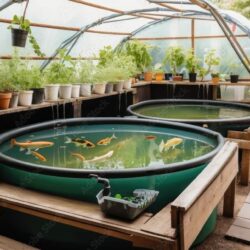
Aquaponics is a sustainable low-water-use farming method that combines raising fish and growing plants without soil.
In an aquaponic system, fish are kept in a tank. Their waste, which is rich in nutrients, serves as natural fertilizer for plants. The water containing fish waste is circulated to the plant beds, where plants absorb these nutrients. In return, the plants purify the water, which is then sent back to the fish tank. It's an efficient, closed-loop system where fish and plants help each other thrive without the need for soil, while conserving water and reducing the need for chemical fertilizers.
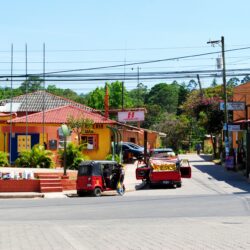
The Global Challenges class needs your help in raising $14,000 to better understand a local cultural perspective on the problem, build relationships on the ground, and learn more about aquaponics. The team is planning two trips to the field.
First, five students from the Global Challenges class and Dr. Lovegrove will visit Honduras with the help of a former Honduran student who will act as a guide and translator. During the research trip, students will present Aquaponics farming techniques to local farmers in Southern Honduras, meet with local officials, and explore current farming efforts.
Secondly, the rest of the team will visit the Ark Encounter in Kentucky, where they will tour the large hydroponic and aquaponics systems used there to raise food for the Ark Encounter's large collection of animals.
